Why Is Lord Ganesha Worshipped First? The Meaning Behind "Vighnaharta"
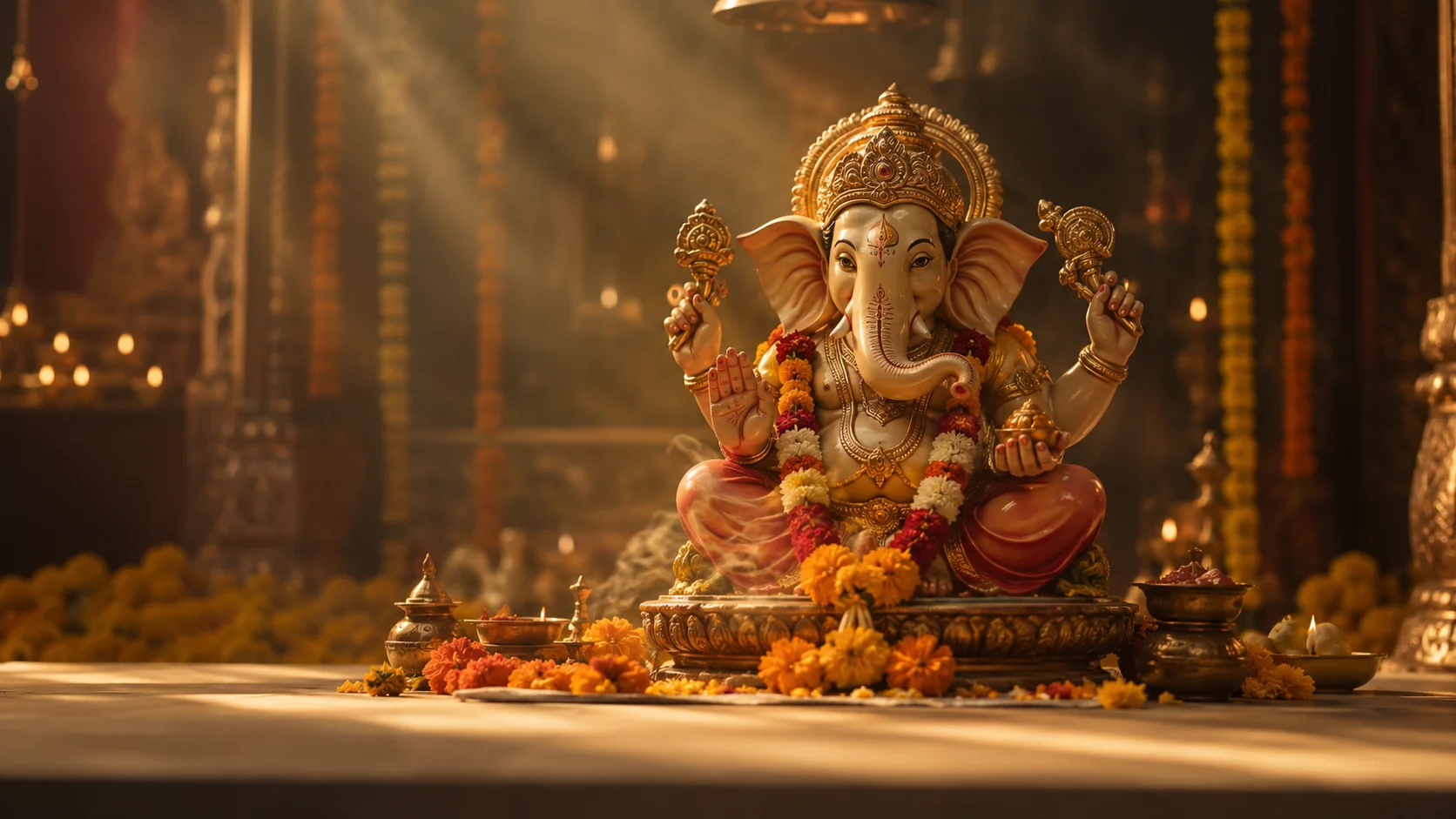
Lord Ganesha is worshipped first, before any other deity, in almost every Hindu ritual — a status he holds as "Prathama Pujya," the one worshipped first. This isn't a modern convention; it comes from a specific Puranic account of how Ganesha earned this position over his brother Kartikeya, and it's tied directly to his role as "Vighnaharta," the remover of obstacles.
Why is Lord Ganesha worshipped first among all deities?
Ganesha is worshipped first because Lord Shiva himself declared it, after Ganesha won a contest against his brother Kartikeya (also called Skanda or Murugan). This tradition is recorded in the Shiva Purana and referenced across other Puranic texts. Before starting any puja, yagna, wedding, house-warming, or new venture, devotees invoke Ganesha with the mantra "Om Gan Ganpataye Namah" to ensure the effort proceeds without hindrance. The practice is called "Ganesh Vandana," and it applies whether the main deity of worship that day is Shiva, Vishnu, Devi, or any other form of the divine.
What does "Vighnaharta" actually mean?
"Vighnaharta" means "remover of obstacles" — from "vighna" (obstacle) and "harta" (one who removes or destroys). Ganesha carries this title because he governs the beginnings of things: a new home, a new business, a journey, a marriage, an exam, a ritual. Hindu tradition holds that unseen obstacles — whether from planetary influence, past karma, or simple human oversight — can disrupt any undertaking, and Ganesha's blessing clears the path before those obstacles arise. This is different from asking for success itself; invoking Ganesha is about ensuring the effort isn't derailed before it has a chance to succeed.
What is the story behind Ganesha winning the right to be worshipped first?
The story goes that Shiva and Parvati wanted to test their two sons, Ganesha and Kartikeya, by announcing that whoever completed three circuits of the universe first would be honoured with a fruit of knowledge (in some versions, the title of supreme deity). Kartikeya immediately set off on his peacock to physically circle the cosmos. Ganesha, knowing his mount was a small mouse and physically circling the universe was impractical, instead walked three times around his parents, Shiva and Parvati, and bowed. When asked to explain, Ganesha reasoned that his parents, as the source and sustainers of all creation, represented the entire universe — so circling them fulfilled the challenge in essence. Shiva and Parvati were so pleased with this wisdom that Ganesha was declared "Prathama Pujya," to be worshipped before all other gods, including his own brother.
Is Ganesha also called "Vighnakarta," the creator of obstacles?
Yes — Ganesha holds both titles, "Vighnaharta" and "Vighnakarta," and this duality is intentional, not contradictory. As Vighnakarta, he can place obstacles in the path of those who act with arrogance, dishonesty, or disrespect toward dharma. As Vighnaharta, he clears the way for those who approach their efforts with sincerity and humility. This dual role is precisely why he is invoked first: worship isn't just a courtesy, it's a way of ensuring he acts in his obstacle-removing capacity rather than the reverse.
Why do pujas begin with "Om Gan Ganpataye Namah"?
Pujas begin with this mantra because it is the seed invocation (bija mantra) of Ganesha, and reciting it is considered the formal request for his blessing before anything else proceeds. "Gan" is Ganesha's bija sound, and "Ganpataye" addresses him as "Ganapati," lord of the ganas — Shiva's attendants and, by extension, all categories of beings and things. Chanting this mantra at the start of a puja is meant to align the ritual space and the devotee's intention before the primary deity of that day's worship is invoked. You can see this sequencing followed in most structured home rituals, including the steps laid out in our daily puja vidhi checklist.
Does Ganesha being worshipped first apply only during Ganesh Chaturthi?
No — Ganesha is invoked first throughout the year, not only during Ganesh Chaturthi. Ganesh Chaturthi is the festival dedicated specifically to celebrating his birth and inviting his presence into the home for ten days, but the practice of worshipping him before any other deity applies to daily puja, weddings, griha pravesh, and the start of any significant undertaking, year-round. If you're setting up worship at home for the festival itself, our guide on Ganesh Chaturthi puja vidhi and visarjan walks through the complete process, and our Ganesh aarti lyrics and meaning guide covers the aarti recited during that worship.
Shop brass murtis, deepaks and pooja essentials at HanumanSetu.com →