What is Rudraksha? Origin, Uses & How to Test If It Is Real
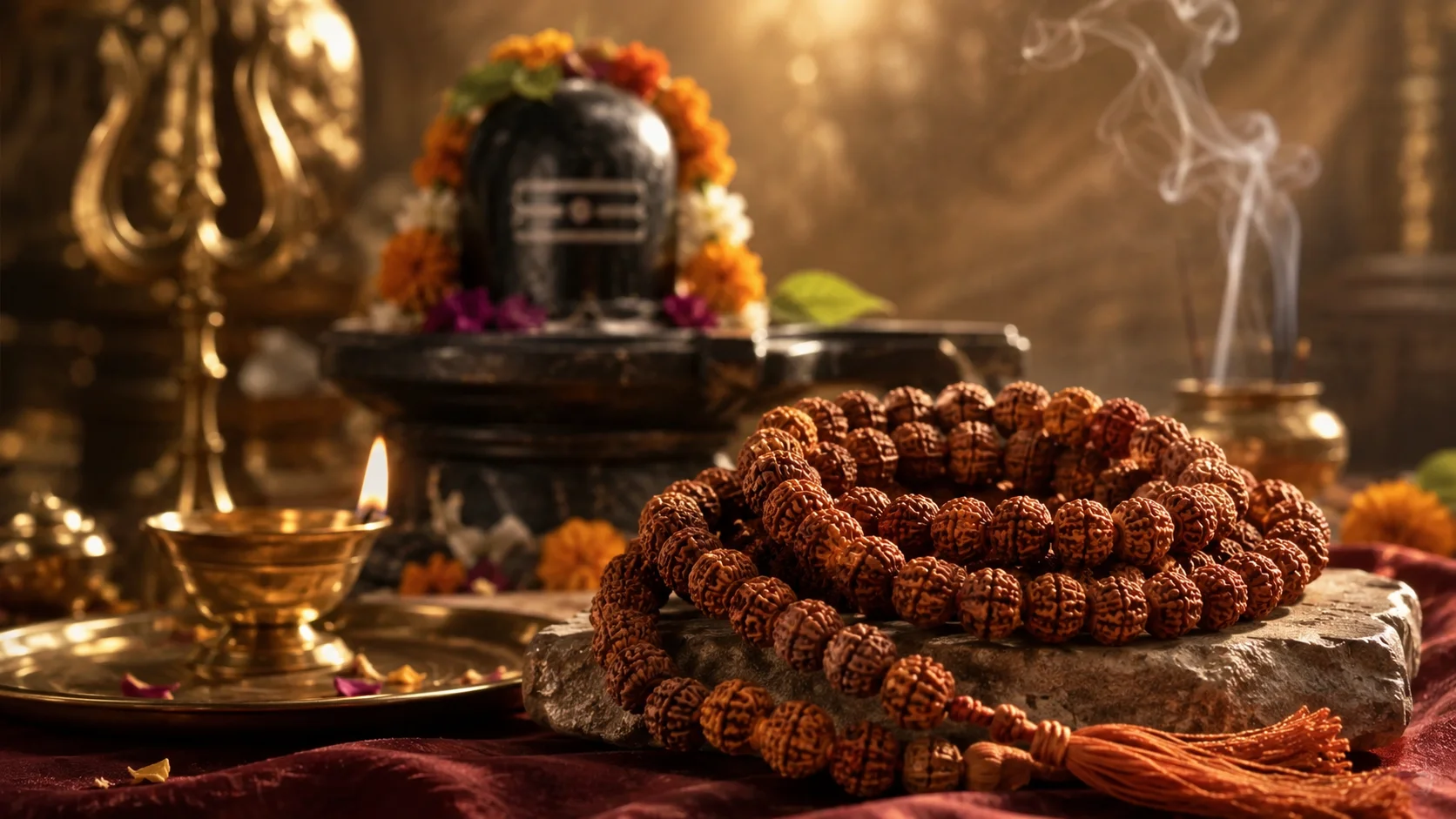
A seed from a tree in the Himalayas and the Nilgiris has been worn by saints, sages and devotees for thousands of years. Here is what rudraksha actually is, what it does, and how to know if yours is real.
What is rudraksha?
Rudraksha is the dried seed of the Elaeocarpus ganitrus tree, a large evergreen found across the Himalayan foothills of India and Nepal, the Nilgiri hills of South India, and parts of Southeast Asia and Indonesia. The tree produces small, round blue fruits — sometimes called blue marble fruits — and the hard, ribbed seed inside is what becomes a rudraksha bead. Nepal rudraksha is generally regarded as the most potent and authentic; Indonesian rudraksha is more commercially common and considerably cheaper. The difference is significant and worth understanding before you buy.
The name comes from two Sanskrit words: Rudra, one of Lord Shiva's most powerful names, meaning the roarer or the fierce one, and aksha, meaning eye or teardrop. Together, Rudraksha translates as the teardrop of Rudra — a name rooted in the origin story told in the Shiva Purana.
What does the Shiva Purana say about its origin?
According to the Shiva Purana, Lord Shiva once sat in deep meditation for thousands of years for the wellbeing of all living beings. When he finally opened his eyes, tears fell from them — born of compassion, not sorrow. Where those tears touched the earth, the Rudraksha tree grew. This origin story establishes the bead not merely as a natural object with spiritual properties, but as something that literally emerged from the divine. The Shrimad Devi Bhagavatam, the Padma Purana, and the Atharvaveda all contain references to rudraksha and its spiritual significance, placing it within the oldest layers of Hindu scriptural tradition.
What are the traditional uses of rudraksha?
Japa and meditation: The most common and primary use is as a counting bead in a mala (rosary) for japa — the repetitive chanting of a mantra. A standard rudraksha mala contains 108 beads plus one additional bead called the sumeru or Meru, which marks the beginning and end of a round without the practitioner needing to count. The tactile feel of rudraksha — its natural ridges and slight roughness — keeps the mind anchored during long sessions of repetition in a way that smooth beads cannot.
Wearing for protection and wellbeing: Across the Shiva Purana, Padma Purana, and Atharvaveda, wearing rudraksha is said to create a protective field around the wearer, calm the mind, reduce the effects of stress, and support general physical health. Saints and ascetics in the Shaivite tradition have worn rudraksha continuously — day and night — for centuries, a practice that continues without interruption today in monasteries and ashrams across India and Nepal.
Healing and therapeutic use: Traditional Ayurvedic texts mention rudraksha in the context of managing blood pressure, nervous system disorders, and anxiety. Some practitioners make a rudraksha-infused water by soaking beads overnight in a copper vessel and drinking the water in the morning — a practice known as Rudraksha water therapy. Modern research has confirmed that the seeds contain bioelectrical properties, though the extent and mechanism of any health effect remains an area of ongoing study.
Ritual and altar use: Rudraksha is used in Shiva puja as an offering and as a garland around the murti. It is considered especially appropriate on Mondays (Somvar), Maha Shivratri, and during the Shravan month.
How do you test whether a rudraksha is genuine?
The market for rudraksha contains a significant volume of imitations — plastic beads, treated seeds from other plants, and chemically dyed or carved fakes. These are the most reliable tests:
The visual test: Genuine rudraksha has natural, uneven mukhi lines (the vertical ridges) that run from the top hole to the bottom hole without a clean, machine-cut look. The surface has natural pores and slight irregularities. Beads in a strand will vary slightly in size and shape — a strand of perfectly identical, perfectly smooth beads is almost certainly artificial.
The water test: A genuine, mature rudraksha seed sinks in water. An immature, hollow, or fake bead floats. This test is useful but not definitive on its own — very dry beads and some artificially weighted fakes can produce misleading results, so it should be used alongside visual inspection.
The copper coin test: When placed between two copper coins and held in the palm, genuine rudraksha is said to rotate slightly due to its bioelectrical properties. This is a traditional test — widely referenced but harder to verify consistently, and best treated as supplementary rather than definitive.
The heat test: Genuine rudraksha will not burn easily and will not melt. A plastic imitation will melt when held briefly near a flame. Perform this test only on a single bead from a strand, never on a full mala.
The source test: This is ultimately the most reliable. Buy from a seller who clearly states the mukhi count, the origin (Nepal or Indonesia), and who does not make extravagant miracle claims. Unusually cheap rare mukhi — particularly 1 Mukhi or high-number mukhi above 14 — should be treated with scepticism unless the seller provides a certificate of authenticity from a recognised gemological or spiritual institution.
Nepal vs Indonesia rudraksha — what is the actual difference?
Nepal rudraksha is generally larger, with more clearly defined and deeper mukhi lines, and is consistently regarded by the tradition as the highest-quality source. Indonesian rudraksha is smaller and rounder, with shallower lines, and is considerably more widely available at lower prices. Both are genuine Elaeocarpus ganitrus seeds and both carry spiritual merit — the scriptures do not specify geography. However, for a serious sadhana practice or as a personal spiritual companion worn over years, Nepal rudraksha is the considered choice of most knowledgeable practitioners.
Shop genuine rudraksha malas, brass murtis and pooja essentials at HanumanSetu.com →