How Idols Are Energised: Pran Pratishtha Explained
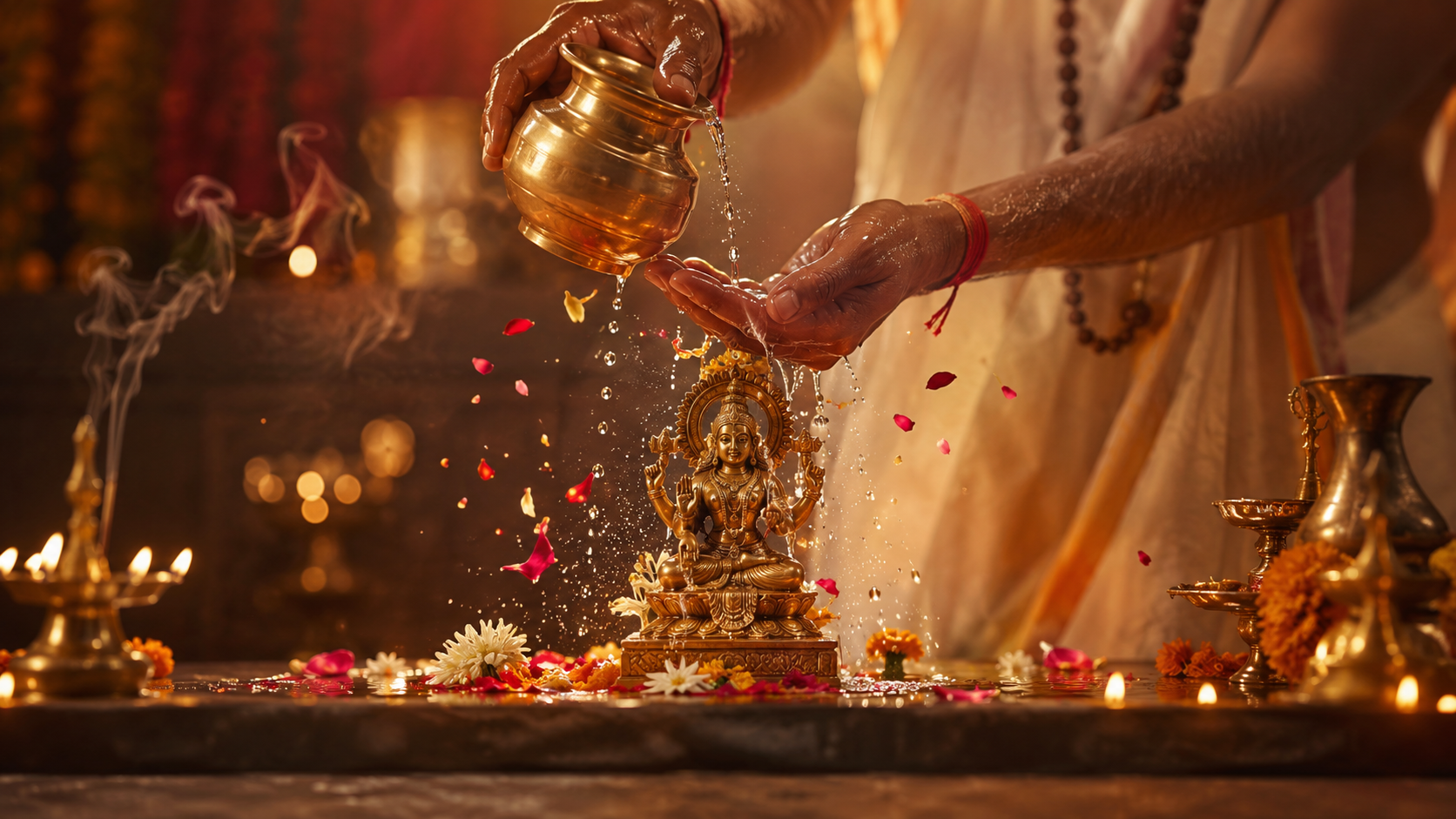
A murti is far more than a beautiful object. In the Hindu tradition, an idol becomes a living seat of the divine only after it is energised through a sacred ritual called pran pratishtha. Here is what that means, and why an energised murti belongs at the heart of your home.
What is pran pratishtha?
Pran pratishtha — literally "establishing the life force" — is the Vedic ceremony that invites the presence of the deity into a newly made idol. Through mantras, invocation and offerings, priests awaken the murti so that it is no longer mere metal or stone, but a consecrated form worthy of daily worship. Until this ritual is performed, an idol is considered unconsecrated.
Why an energised murti matters
An energised murti carries a settled, sacred presence. Devotees experience it as a focal point that holds the energy of prayer, steadies the mind, and makes daily puja feel connected rather than symbolic. For a home altar, this is the difference between a decorative figure and a true object of devotion.
How we energise our murtis
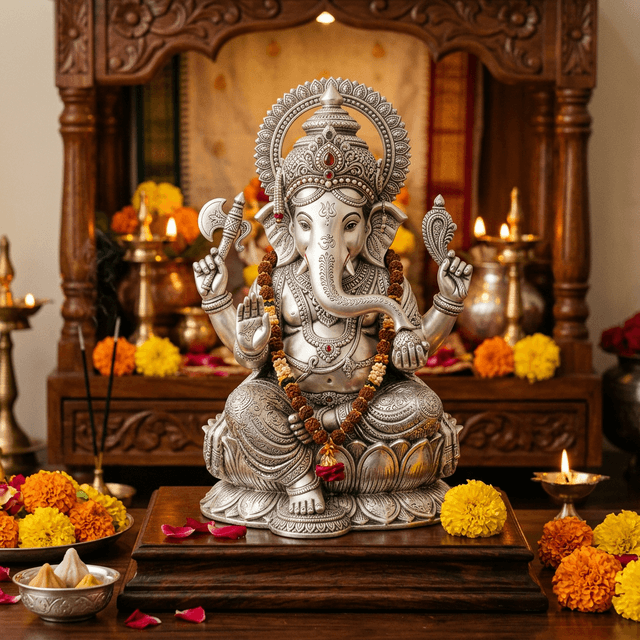
At HanumanSetu, every idol is purified at temple and blessed by Vedic rite before it is dispatched. This means the elaborate consecration is already done by qualified priests, so your murti arrives ready for worship — you do not need to arrange a separate ceremony at home.
Do you need to re-energise it at home?
For most households, no. A simple welcome — a clean altar, a lit lamp, incense and a heartfelt prayer on installation — is enough. What sustains the energy is regular, sincere worship: lighting the lamp, offering flowers, and reciting your chosen mantra or the Hanuman Chalisa.
Browse our sacred idols and statues — each purified at temple, blessed by Vedic rite, and ready for your home temple.