Rudraksha Mukhi Guide: 1 to 14 Mukhi Meanings & Benefits
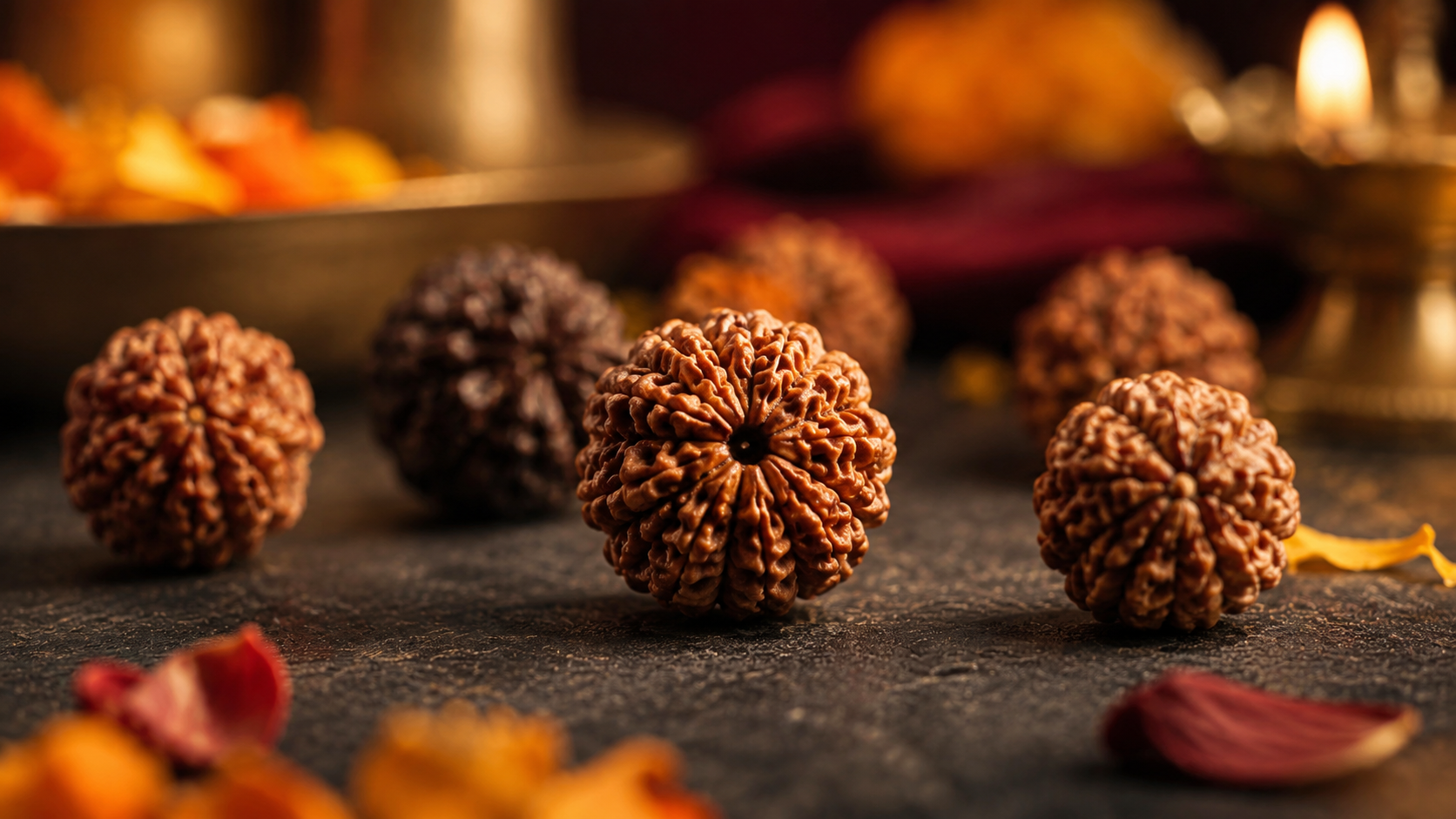
Rudraksha beads are among the most sacred objects in Hindu and yogic tradition, worn for focus, calm and spiritual strength. The key to choosing one is the "mukhi" — the number of natural faces on the bead. This guide explains what mukhi means, the qualities of 1 to 14 mukhi rudraksha, which bead suits most people, and how to make sure yours is genuine.
What is a mukhi in rudraksha?
"Mukhi" means face — the natural vertical lines (clefts) running across a rudraksha bead from top to bottom. A bead with five clefts is a five-mukhi (panch-mukhi) rudraksha; one with one cleft is a rare ek-mukhi. Each mukhi is associated with a particular deity, planet and set of qualities, which is why devotees choose a mukhi to match an intention — concentration, courage, health, or peace of mind.
What do the different mukhi mean?
Each face carries its own significance. A brief overview:
- 1 Mukhi — Lord Shiva; supreme focus and detachment (very rare).
- 2 Mukhi — Ardhanarishvara; harmony and relationships.
- 3 Mukhi — Agni; confidence, release from past burdens.
- 4 Mukhi — Brahma; learning, speech and creativity.
- 5 Mukhi — Shiva (Kalagni); calm, health and general well-being (most common).
- 6 Mukhi — Kartikeya; willpower and grounding.
- 7 Mukhi — Goddess Lakshmi; prosperity.
- 8 to 14 Mukhi — linked to Ganesha, the Nagas, the Sun, and higher spiritual states; rarer and chosen for specific aims.
Which mukhi is most common and recommended?
The five-mukhi rudraksha is the most widely available and the one most often recommended for everyday wear. It is considered universally suitable, soothing to the mind and good for health and general balance — which is why it is the standard bead in most japa malas. If you are new to rudraksha, a genuine five-mukhi mala is the safest and most authentic place to begin.
How do you check if a rudraksha is genuine?
Genuine rudraksha has natural, uneven clefts (mukhi lines) that run unbroken from end to end, and small natural surface bumps — not a smooth, machine-perfect finish. Real beads sink in water (though this isn't foolproof on its own) and feel firm, not light and hollow. Be wary of dyed beads, identical "perfect" beads, and unusually cheap rare mukhi. Buy from a seller who is clear about origin, and treat any "miracle" claims with caution.
How should you wear and care for rudraksha?
Rudraksha can be worn around the neck or wrist, or used purely for japa. Many traditions suggest first energising the bead with a simple mantra (such as "Om Namah Shivaya"). Keep it away from harsh soaps and chemicals, remove it before swimming, and oil it occasionally with a little sandalwood or coconut oil to prevent cracking. With care, a good rudraksha darkens and smooths over years of use, becoming more personal with time.