Nirjala Ekadashi: Why It Is the Toughest Fast of the Year
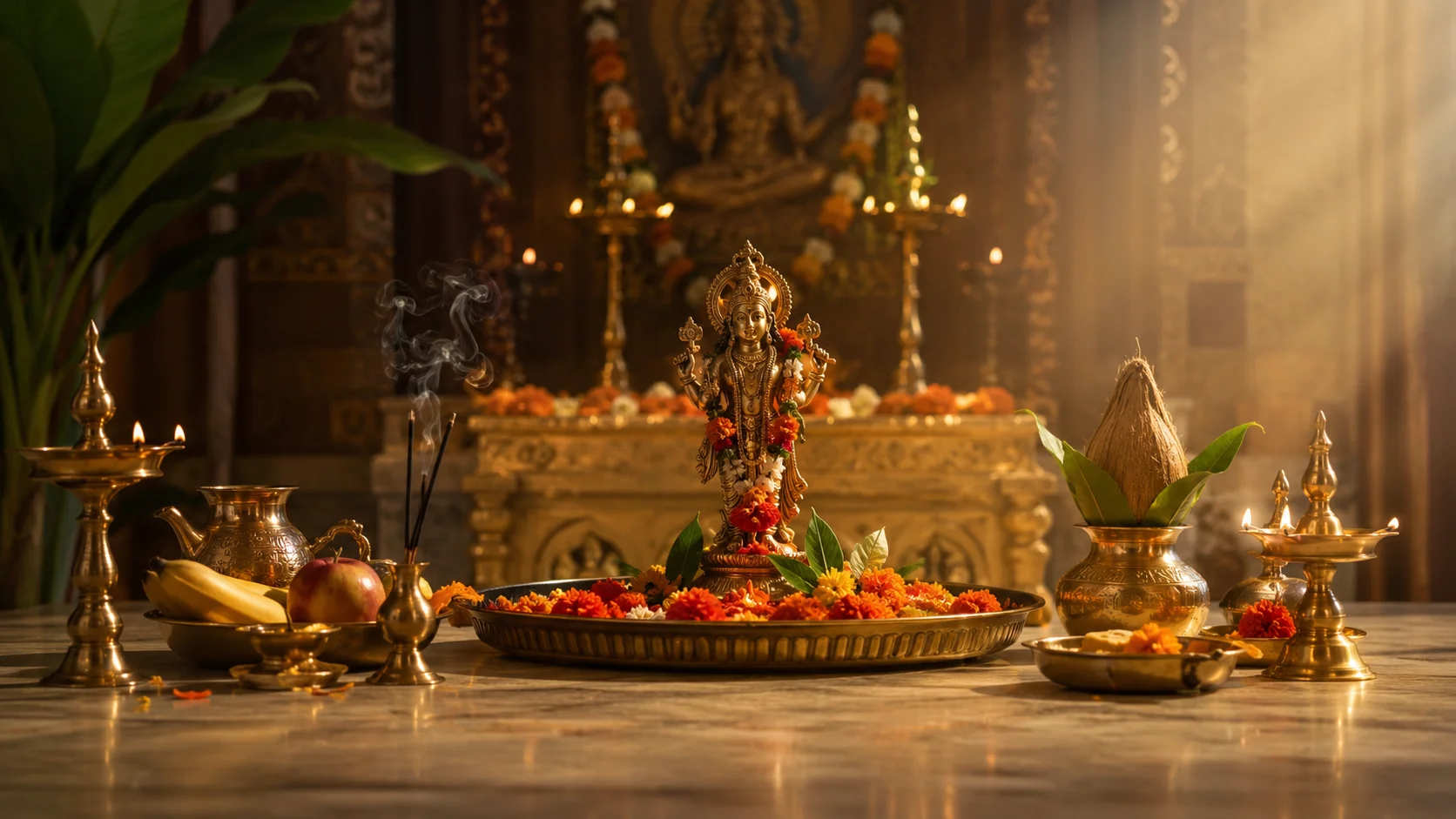
Of the twenty-four Ekadashis in a Hindu year, one stands apart. No food. No water. Not even a sip. Here is why devotees take on the hardest fast in the calendar — and how to do it right.
What is Nirjala Ekadashi?
Nirjala Ekadashi falls on the eleventh day (Ekadashi) of the waxing moon fortnight in the Hindu month of Jyeshtha, which lands in late May or June on the Gregorian calendar. The word "Nirjala" comes directly from Sanskrit — nir meaning without, jala meaning water — and that is exactly what separates this fast from every other Ekadashi observed through the year. Every other Ekadashi permits something: fruit, milk, or at minimum water. Nirjala Ekadashi permits none of it. Devotees abstain completely from food and water from sunrise on Ekadashi until sunrise the following day, breaking the fast only after the prescribed parana ritual on Dwadashi morning. It is dedicated to Lord Vishnu, and it is widely regarded — across the Padma Purana, Bhagavata Purana, and Brahma Vaivarta Purana — as the single most meritorious fasting day in the entire Vaishnava calendar.
Why is it considered more powerful than all other Ekadashis?
The scriptures make a striking claim: a single Nirjala Ekadashi observed correctly carries the combined spiritual merit of all twenty-four Ekadashis in the year. This is precisely why it holds such a central place for devotees who cannot maintain a fast on every Ekadashi — it offers a single, complete opportunity to gain what would otherwise take a full year of discipline. It also falls during peak summer in most of India, which is no accident. The physical difficulty of fasting without water in the heat of Jyeshtha is, in the tradition's own telling, part of what makes the merit so significant. The fast asks for real sacrifice, not a symbolic one.
What is the story of Bhima and Sage Vyasa?
The narrative behind Nirjala Ekadashi comes from the Brahma Vaivarta Purana, and it is one of the more human stories in the Puranic tradition. Yudhishthira, Draupadi, and the other Pandava brothers observed every Ekadashi fast through the year without fail. Bhima, the second Pandava and famed for his enormous appetite, could not. He went to Sage Vyasa and admitted, plainly, that he lacked the willpower to fast twenty-four times a year — but he did not want to be left without the blessings his family received through their discipline. Vyasa offered him a way through: observe just one Ekadashi, the one falling in Jyeshtha Shukla Paksha, as a complete Nirjala fast — no food, no water, from sunrise to sunrise — and it would grant the same merit as all the others combined. Bhima kept this vow faithfully. Because of this story, Nirjala Ekadashi is also known as Bhimseni Ekadashi, Bhima Ekadashi, or Pandava Ekadashi.
How do you observe the fast correctly?
The fast begins at sunrise on Ekadashi day and continues, completely without food or water, until the Parana the following morning on Dwadashi tithi. Water is permitted only for Achamana — the ritual sipping used in worship — and not for drinking. Devotees typically wake before sunrise, bathe, and spend the day in prayer: reciting the Vishnu Sahasranama, chanting Vishnu's names, listening to or narrating the Nirjala Ekadashi vrat katha, and staying awake through the night in devotion where possible. Scripture specifically encourages charity on this day — donating water, earthen pots, umbrellas, fruit, and cooling food to those in need, since the day falls in the peak of summer heat. The Parana must be performed within the Dwadashi tithi window the next morning, breaking the fast first with water, then food, after completing the appropriate worship of Lord Vishnu.
Who should avoid the complete waterless fast?
The scriptures themselves anticipate that not everyone can safely undertake a twenty-four-hour fast without water, particularly in summer heat. Elderly devotees, pregnant women, those managing chronic health conditions, and anyone for whom dehydration poses a real medical risk are traditionally guided toward a modified observance — taking water, fruit, or milk through the day while still honouring the spirit of the vow through prayer, charity, and restraint. The tradition values sincerity over rigidity: a fast adjusted for health and observed with devotion still carries genuine merit. Anyone uncertain about their ability to safely complete the full Nirjala fast should consult a doctor before attempting it, and should never hesitate to modify the observance if symptoms of dehydration appear during the day.
Shop brass murtis, deepaks and pooja essentials at HanumanSetu.com →