Brass vs Ashtadhatu vs Other Metals or Marble: Choosing a Murti
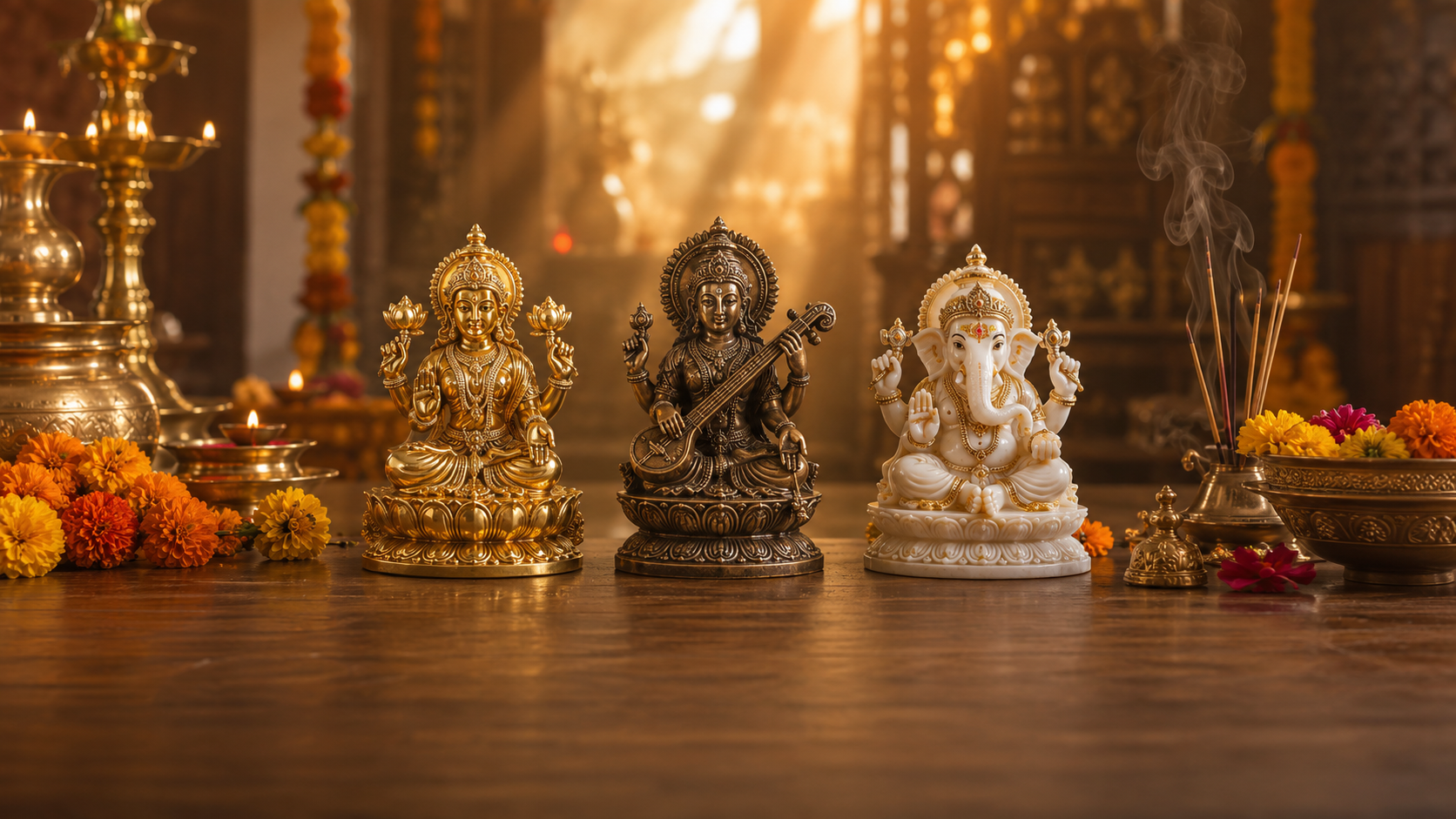
Walk into any murti shop and you will hear words like brass, panchdhatu and ashtadhatu. The metal a murti is made from affects its look, its longevity and, in tradition, its energy. Here is a clear guide to help you choose.
Brass
Brass is the most common and accessible choice — durable, warm in colour, and easy to maintain. A good brass murti lasts generations and develops a beautiful patina. It is an excellent everyday choice for a home altar.
Panchdhatu and ashtadhatu
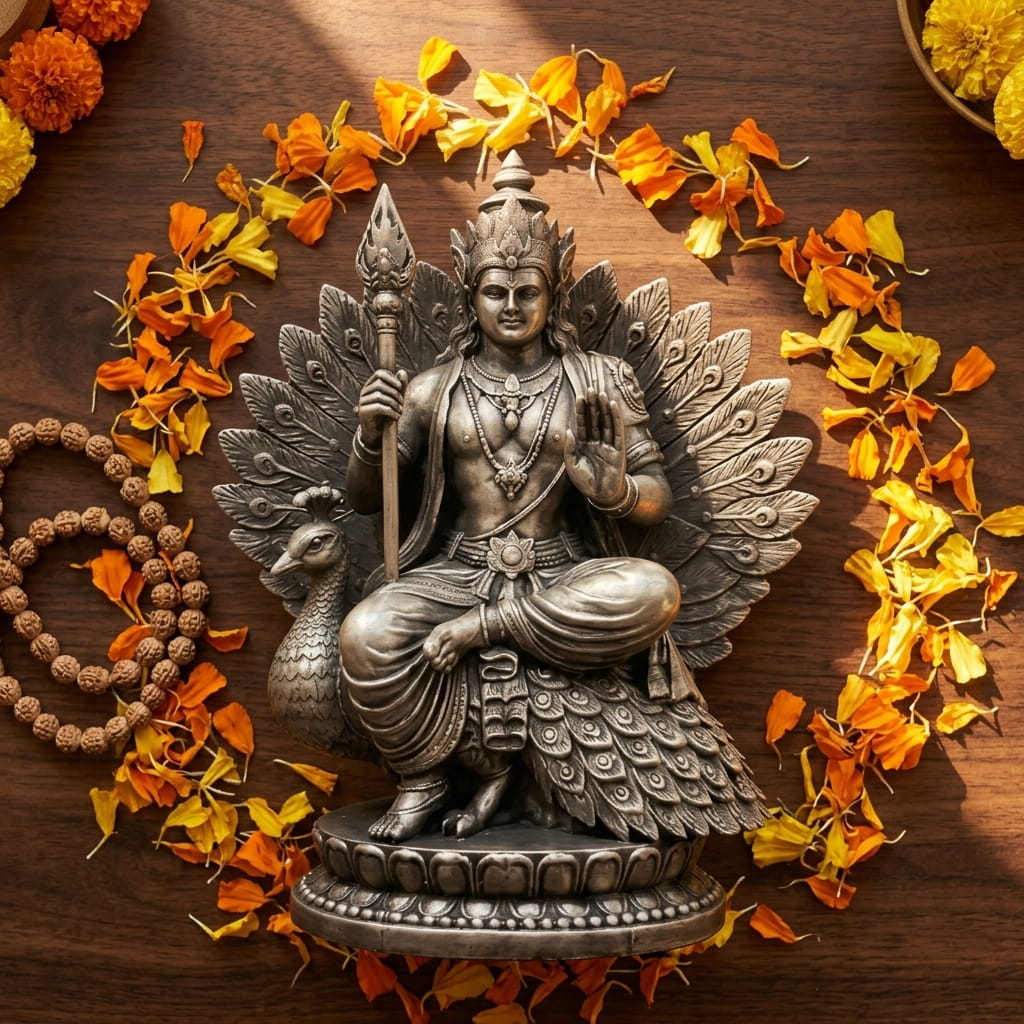
Panchdhatu is an alloy of five sacred metals (typically gold, silver, copper, zinc and iron); ashtadhatu uses eight. In tradition these blends are considered especially auspicious — believed to balance energies and benefit the wearer or worshipper. Ashtadhatu murtis and rings are prized for daily worship and as heirloom pieces.
Silver and gold-plated
Silver and gold-plated murtis bring a radiant, premium finish — ideal for gifting and special occasions. A 1% gold-plated idol pairs traditional craftsmanship with a lasting shine without the cost of solid gold.
How to choose
- Daily worship, value: brass.
- Auspicious, heirloom: panchdhatu or ashtadhatu.
- Gifting, premium look: silver or gold-plated.
- Whatever the metal, check for crisp detailing, a stable base, and a clean finish.
Explore our idols and statues and 1% gold-plated collection to find the right murti for your altar.